
|
7.1 Introduction 7.2 Czech Republic 7.3 Denmark
7.3.1. Kollega Bil
The Kewet is a three-seater electric car with a typical range of 50 to 80 km (30 to 50 miles) and a top speed of 80 kph (50 mph).
When fitted with Li-Ion batteries the car’s maximum range increased to 150 km (94 miles).
The car was originally produced in Denmark from 1991 to 1995. Kollega Bil acquired productrion rights to the car in 1998.
7.4 France
7.5 Germany 7.5.1. Volkswagen
The Mk1 Elektro Golf was an electric powered car produced by Volkswagen.
Between 1995 and 1998 they made a production version of this car which was called the Volkswagen Golf City Stromer. It had a range of 50 km (31 miles).
7.6 Great Britain (UK) 7.6.1. Zytek Lotus
A 200hp electric powered sports car called the Elise was jointly produced by Zytek and Lotus.
The first car was produced in 1998. It had a maximum range of 120 miles (195 km).
It was powered by 25 nickel-cadmium batteries which provided 300V and could accelerate from 0 to its maximum speed of 90mph (145 km/h) in 11.2 seconds.
Information on the number of cars produced and when production ceased is required.
7.7 India 7.7.1. Reva
The Reva is electric vehicle that the Reva Electric Car Company started producing in 2001. It is also known as “G-Wiz”.
By 2006 over 1800 had been sold (the world’s top selling electric car).
The car weighs 745 kg (1,640 lb) and can seat four. It is fitted with eight 6V lead acid batteries (48V) and is rated at 17.5hp. Lithium-ion batteries are due to be fiited to 2007 models.
The latest model has a top speed of 45 mph (70 kph) and a maximum range of about 80 km (50 miles).
In 2005 the company introduced a two-seater NXG electric concept car powered by sodium nickel chloride batteries.
The car has a range of 125 miles (200 km) and a top speed of 75 mph (120 kph).
7.8 Italy 7.8.1. Bertone
In 1992 an electric sports car called the Bertone Blitz was produced, which could accelerate from 0 to 60 mph (96 kph) in six seconds.
The lead acid batteries represented 40% of the car’s weight. It had a range of up to 80 miles (128 km).
7.9 Japan 7.9.1. Nissan
In 1996 Nissan produced the Prairie Joy Electric Vehicle, which was powered by lithium-ion batteries.
Between 1998 and 2000 Nissan made about 130 Altra EV station wagons powered by Li-ion batteries.
The vehicle had a maximum range of 190 km (120 miles) and a top speed of just over 75 kph (47 mph).
By 1998 Nissan had produced an ultra-small electric two-seater vehicle called the Hypermini. Between 1999 and 2001 about 219 were manufactured.
It had a top speed of 100 kph (62.5 mph) and a maximum range of 115 km (72 miles).
7.9.2. Honda
Between 1997 and 1999 Honda produced about 300 of their 66hp “EV Plus” cars. The car was fitted with 24 12V NiMh batteries and had a maximum range of about 110 miles (180 km).
Its top speed was about 80 mph (130 kph) and could accelerate from 0-30 mph in 4.9 secs.
It was the first production EV to use Nickel Metal Hydride batteries and the first EV to have a range of over 100 miles.
Work ceased on the EV Plus in 1999 when Honda decided to start work on its hybrid electric vehicles.
7.9.3. Toyota
Between 1997 and 2002 Toyota produced about 1,250 of their battery powered “RAV4EV” cars.
Production peaked in 1998 when about 359 were produced.
The car had a top speed of 78 mph (126kph), and a maximum range of 120 miles (190 km). It was fitted with 24 12 V NiMH batteries.
In 2006 Mitsubishi Motors produced a research electric car called the Mitsubishi innovative Electric Vehicle (i-MiEV).
The car is powered by a 47 kW motor and is fitted with a 330V, 16 kWh or 20 kWh lithium-ion battery pack.
It has a top speed of 130 kph (81 mph) and a maximum range of up to 130 km (81 miles) or 160 km (99 miles), dependant on which battery pack is fitted.
7.9.5. Keio University
In 2004 an eight-wheeled, lithium ion battery powered concept car, called the Eliica Electric was produced by Keio University and Hiroshi Shimizu.
The car could accelerate from 0-60 mph (96 kph) in 4 seconds. The A model had a top speed of 230 mph (368 kph) and a range of 125 miles (200 km).
The B model had a top speed of 118 mph (189 kph) and a range of 200 miles (320 km).
7.10 Norway 7.10.1. Think Nordic
The Think Nordic company produced an electric powered car called the “Th!NK” from about 1999 to 2002.
The first practical prototype, the PIV2, was produced in the early 1990s. By 1994 15 prototypes existed. The cars were powered by NiCd batteries.
The following year, 1995, the company produced the PIV3 version.
In about 1999 the company produced its first real production model, the PIV4 (which was later called the “TH!NK”).
It had a maximum range of 85 km (53 miles) and a top speed of 90 km/h (56 mph).
By the time production ceased in 2002 a total of 1005 “Th!NK” cars had been produced.
7.11 Sweden 7.12 United States 7.12.1. Henney Kilowatt
In 1959 an electric car called the Henney Kilowatt was produced for the National Union Electric Company (the producer of Exide Batteries).
The 1959 models ran on a 36-volt system that consisted of 18 sequential two-volt batteries. The 36-volt cars had a top speed of 40 mph (64 kph) and a maximum range of about 40 miles (64 km).
A 72-volt system was fitted to the 1960 model. It employed 12 sequential six-volt batteries. The 1960 Kilowatt had a top speed of nearly 96 kph (60 mph) with a range of over 96 km (60 miles).
It is thought that only 47 cars were built. 24 were sold as 1959 models and 8 as 1960 models. None of the 1960 models being sold to the public due to the high cost of the 72-volt system.
The last cars may have been sold as late as 1962.
7.12.2. General Motors
In about 1964 General Motors produced an experimental electric car called the Electrovair 1.
It was built to prove the feasibility of electric drive for passenger vehicles pending the availability of a practical high energy battery.
The electric car was a modified 1964 Corvair and was powered by zinc-air batteries. The drive system consisted of a 120 lb, 12,000 rpm, 3-phase induction motor, capable of producing 115hp.
In 1966 GM produced the Electrovair II. Twenty-two years later, in 1988, GM funded research to build a practical consumer electric car.
The resulting vehicle became known as EV1 and was based on a prototype vehicle called the Impact.
A modified EV1 prototype set an electric vehicle land speed record of 183.8 mph (294 kph) in 1994.
Between 1996 and 1999 GM produced 1,117 EV1 cars, which were only leased, never offered for sale.
The car had a top speed of 80 mph (128kph) and accelerated from 0 to 30 mph in under 3 seconds and 0 to 60 in under 9 seconds.
The EV1 cars were originally fitted with lead acid batteries and had a maximum range of 75 miles (120 km), which later increased to 100 miles (160 km) when fitted with 26 12V Panasonic lead-acid batteries.
By 1999 the cars were fitted with 26 13.2V Nickel Metal Hydride (NiMH) batteries and had a maximum range of 150 miles (240 km).
Towards the end of 2003 GM cancelled their EV1 program.
7.12.3. Sebring-Vanguard
A two-door, two-seater electric car called the Vanguard Citicar was produced from 1974 to 1976. It had a top speed of 44 mph (70 kph) and a typical warm weather range of 40 miles (64 km). Check the top speed figure.
It was fitted with 8 x 6V lead acid batteries. About 2,200 cars were produced.
In 1977 the company producing the car was sold and the new owner started to build a new version of the car, whilst maintaining the original shape. The original 3.8hp motor was replaced by a 5hp one.
The improved car was called “ComutaCar”. In about 1986 the ComutaCar Company ceased trading.
7.12.4. Chevrolet
About 500 Chevrolet Electric S-10 vehicles were produced between 1997 and 1999.
The S-10 EV was powered by a 114hp, three-phase, AC induction motor. The lead acid power pack consisted of 27 batteries. In 1998, lighter weight NiMH batteries were also available.
The car had a max range of 60 miles (96 km) and a top speed of 70mph (112 kph).
- 7.12.5. AC Propulsion
The Tzero was an electric powered sports car produced by the AC Propulsion Company. Three prototypes were built between 1997 and 2003.
The 2003 version was powered by 6,800 lightweight lithium-ion cells. It had a range of 300 miles (480 km) and accelerated from 0-60 mph in 3.7 seconds.
The car had a top speed of just over 140 mph (225 kph), although it was never run at greater than 105 mph (169 km/h).
7.12.6. Ford
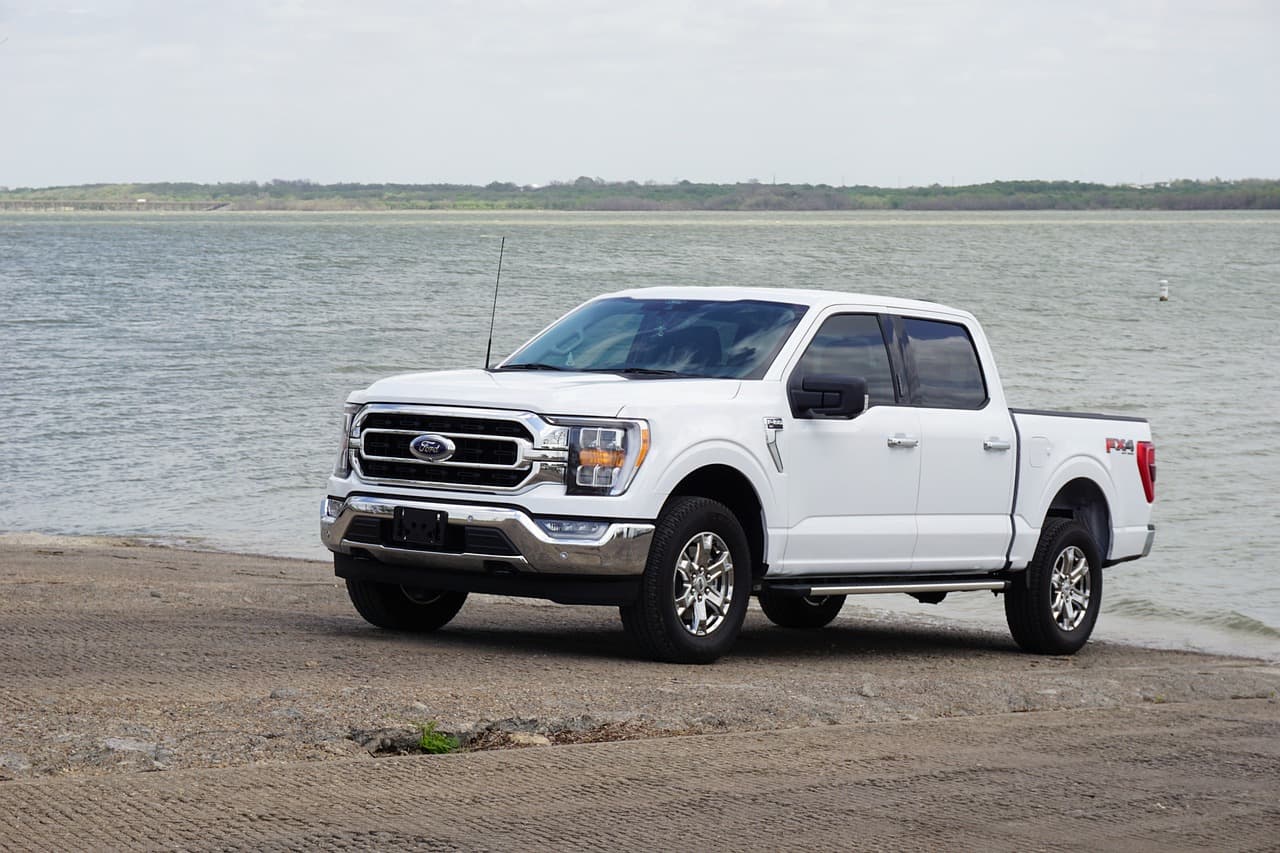
The Ford Ranger EV was a battery powered electric vehicle that was produced between 1998 and 2002/3. 1,500 were produced.
The vehicle was fitted with NiMH batteries and had a range of about 65 miles (104 km).
7.12.7 Solectrica Corporation
The Solectria Sunrise was an electric car designed and built in the 1990s. It did not go into production and only a few prototypes were built.
In 1996 it achieved a range record of 375 miles (600 km) on a single charge.
|