
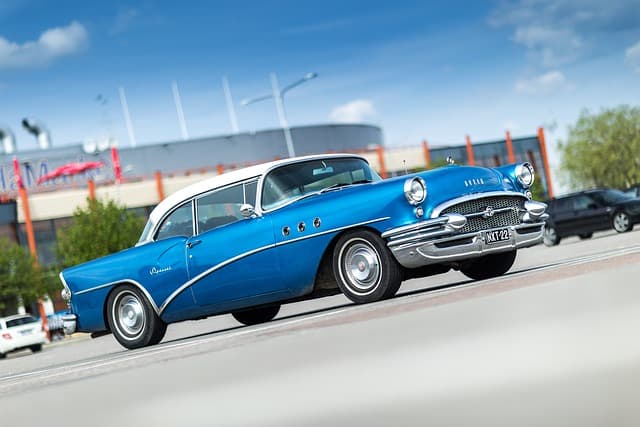

The creation of the so-called "Compact Cars". They appeared in the lineup of almost all car brands of these decades. Here are some of them: Ford Falcon (since 1960), Chevrolet Corvair(1960), Mercury Comet (1960), Chevy II (1962), etc. The creation of "Aerostyle" is what is characteristic of this automotive era. The illusion of lightness and impetuosity is created in the design of these car models. Even in static form, the car seems to move.
Blog
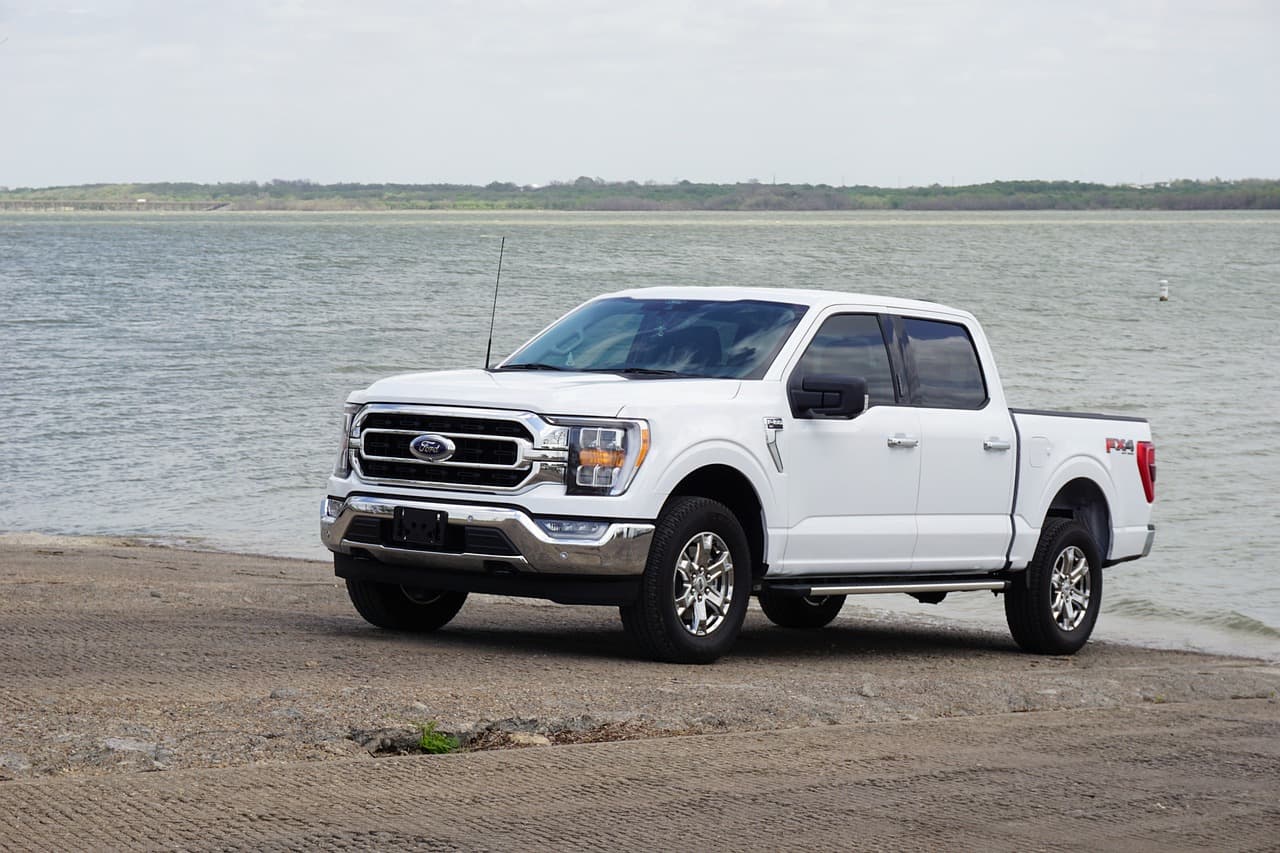
Evolution of the Ford F-150: A Journey Through Design and Feature Changes
Pour apprendre plus
Innovations in Automotive Technology: A Timeline of Transformative Advancements
Pour apprendre plus
Glimpse the Glory Days: Retro Car Museums on Both Sides of the Atlantic
Pour apprendre plus
Nethercutt Collection & Museum – Retro Car Museum
Pour apprendre plus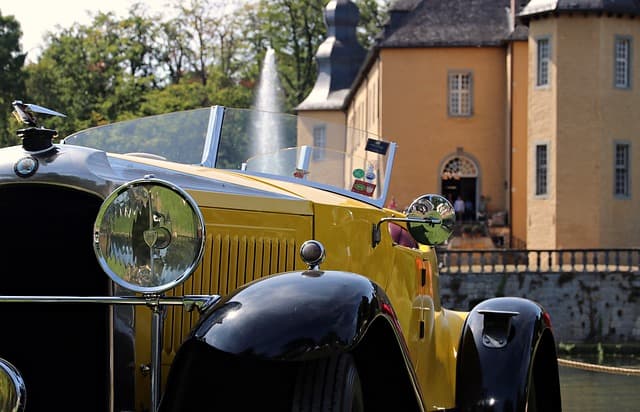
London Motor Museum
Pour apprendre plus Deser Collection Museum
Pour apprendre plus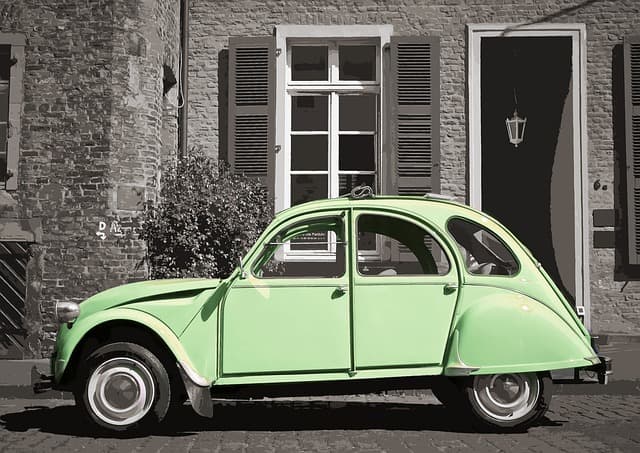
Exhibition of Retro Cars at the Victoria and Albert Museum
Pour apprendre plus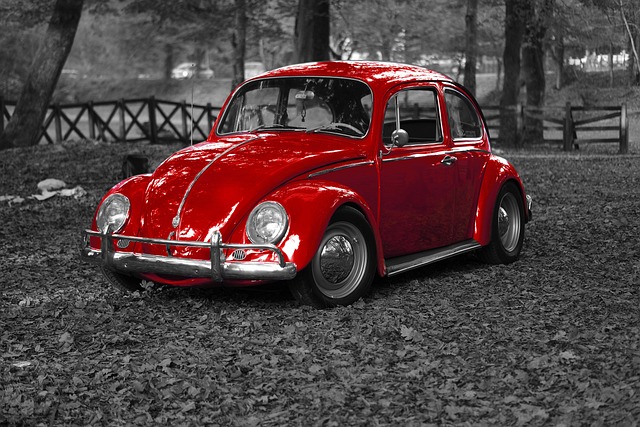
British Motor Museum
Pour apprendre plus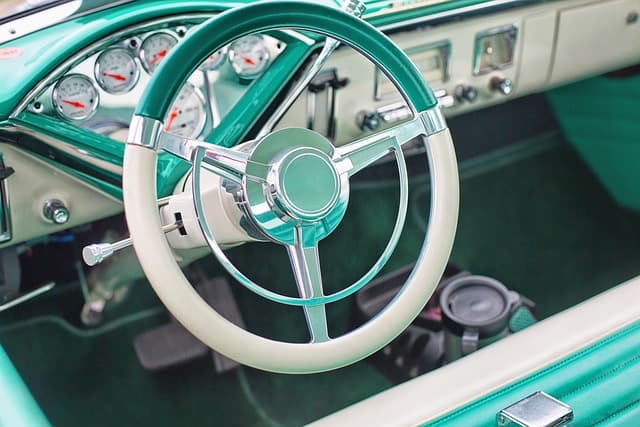
Vintage Car Museum at Imperial Palace
Pour apprendre plus Museum of Vintage Cars
Pour apprendre plusFrom the inception of the first car, invented and "brought to life" by Karl Benz in 1886 to the present day, the world car industry has created many "automotive legends" and cars - "icons of style, functionality and quality". Many collectors, aesthetes and motorists tirelessly admire such car models. The era of American cars of the 50-60's of the last century undoubtedly defines a special and significant place.
Brand That Trust Us

TireWheelGuide helps find the right tire size and model for your car. Use our handy tire comparing service and tire calc to buy tires with confidence.

Here's a review of the best tonneau covers f150, which will protect your cargo from the weather and thieves

Get ready for your next camping trip with top quality truck bed tents! Our guide covers everything you need to know, from how they work to how to choose the right one for your truck's size and shape.

Mercteil.com is a leading supplier of high-quality, genuine Mercedes-Benz parts and accessories. With a wide range of products and competitive prices, they are the go-to source for Mercedes-Benz enthusiasts and professionals alike.

For businesses with multiple locations or franchises, call tracking provides valuable insights into the performance of each branch. By assigning unique phone numbers to different locations, companies can measure call volume, conversion rates, and customer satisfaction for each branch independently.

Elevate your financial status with zgarnijpremie.pl - account ranking. Achieve financial success and unlock exclusive rewards today!

Experience award-winning auto body repair services in Vancouver, BC, where our skilled technicians restore vehicles to their pre-accident condition with meticulous attention to detail and craftsmanship. With our commitment to quality, customer satisfaction, and industry recognition, we take pride in delivering exceptional results and exceeding expectations.